What it feels like
- Joint pain and stiffness, especially in the morning or after sitting
- Swelling or aching after activity
- Reduced range of movement
- Difficulty with stairs, squatting, gripping or long walks and runs
Commonly affected joints
Knees, hips, hands, the lower back and neck, and the jaw.
How I treat it
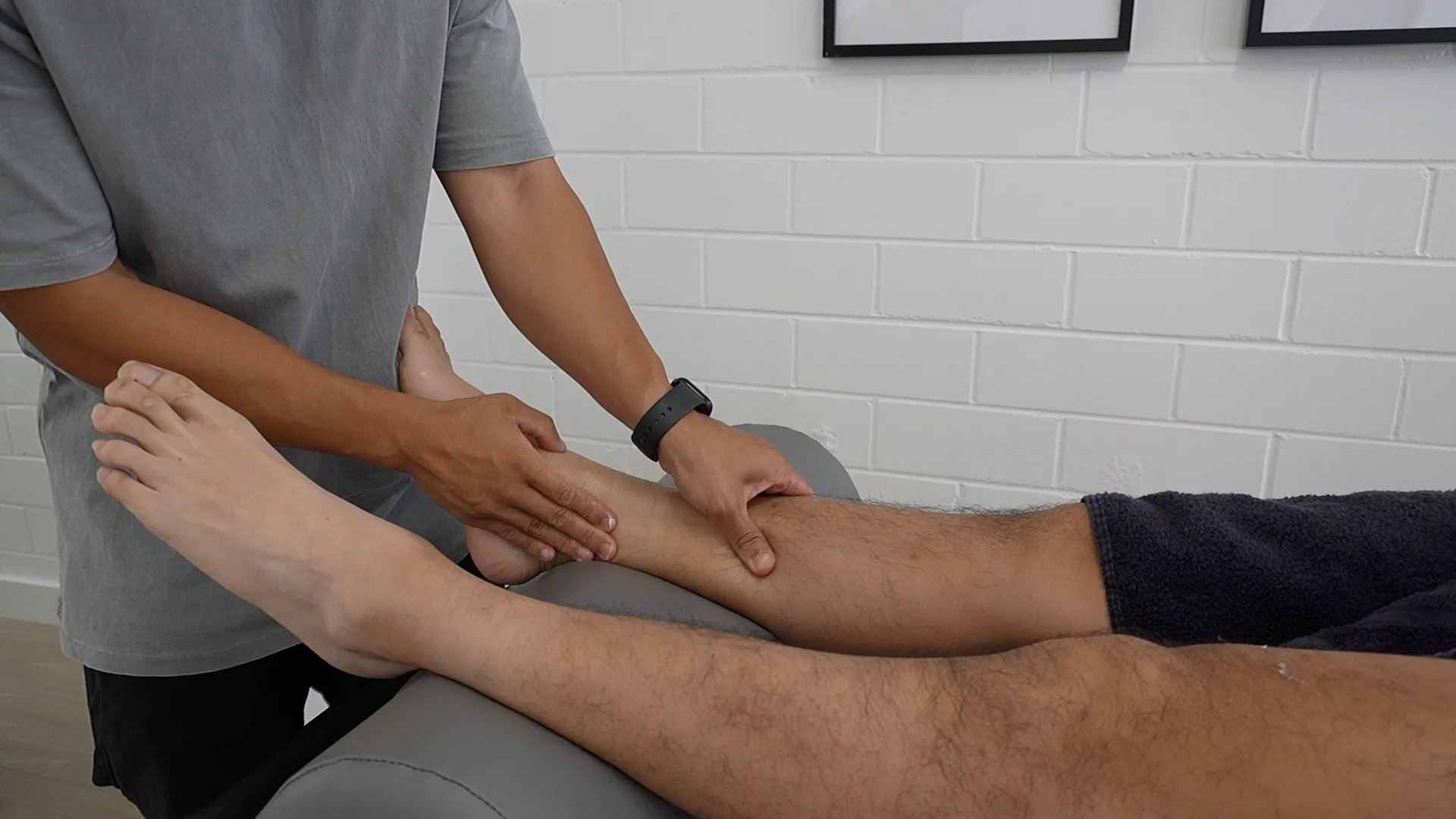
Reset: assessment of your joints, your strength and the activities you want to do. Hands-on treatment and advice to settle flare-ups and manage your training load.
Rebuild: a progressive strength program, which is the core of arthritis management. Stronger muscles support the joint and reduce pain.
Revive: keeping you doing what you love, whether that’s lifting, running, HYROX or keeping up with the kids, with a plan for managing future flare-ups.
When to see a doctor urgently
See a doctor promptly if a joint becomes suddenly hot, red and very swollen, especially with a fever, or if joint pain comes with unexplained weight loss or feeling generally unwell.