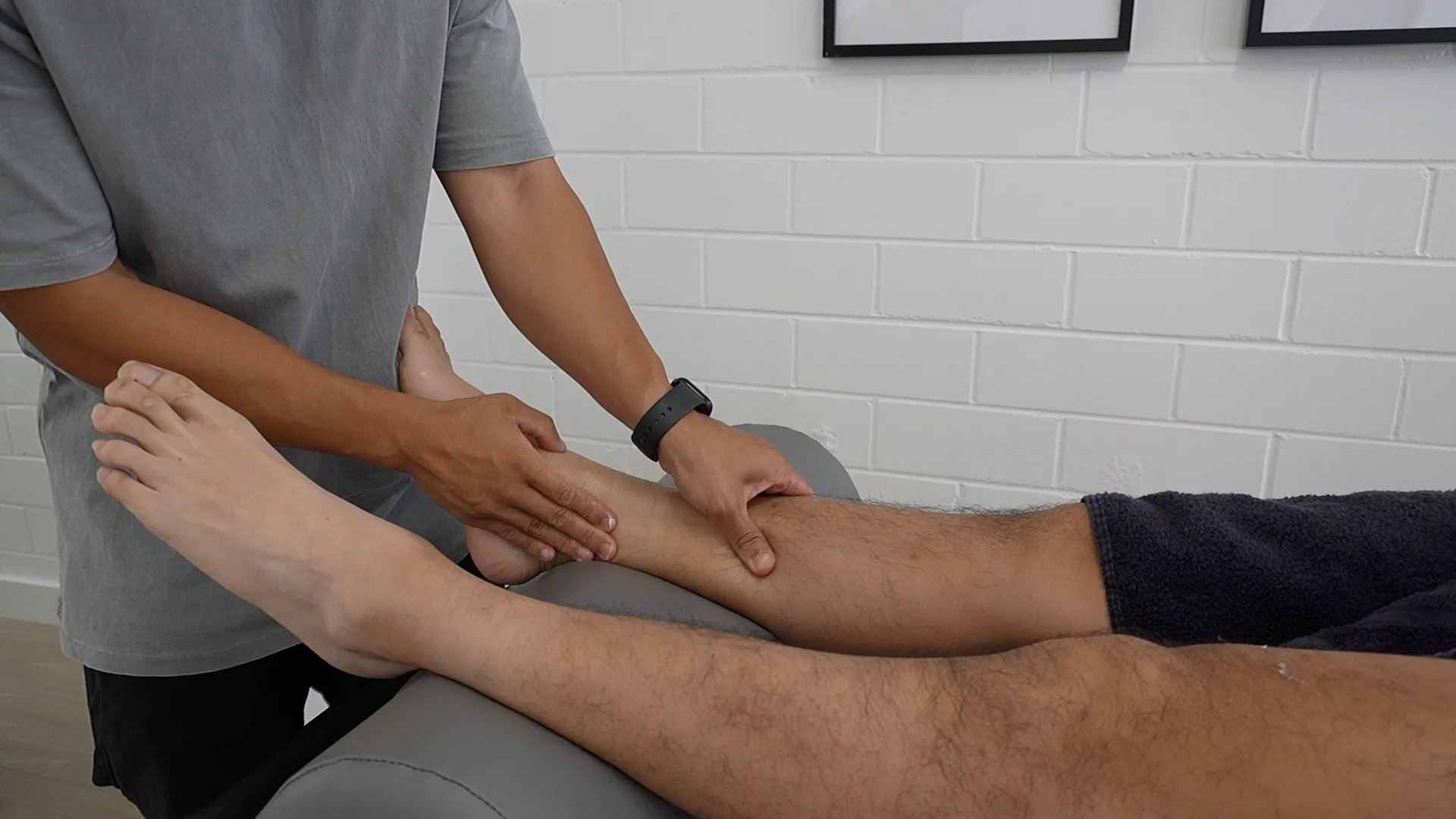
After an injury, the urge to get back out running is strong. And after weeks of frustration, it’s tempting to head out for your usual 10 km and see how it feels.
Unfortunately, that’s one of the most common ways people end up back at square one. Returning to running works best as a gradual, planned process. Here’s the approach I use with my runners.
Are you ready to start running?
Before your first run, your body needs to be ready for the load. Running puts force equal to two to three times your bodyweight through your legs with every step.
As a general guide, you should be able to:
- walk briskly for 30 minutes without pain
- do 10–20 single-leg calf raises on the injured side, with similar quality to the other side
- balance on one leg for 30 seconds
- hop on the spot 10–20 times on the injured leg without pain
- do a single-leg squat to a comfortable depth with good control
Some injuries, like bone stress injuries, ligament reconstructions and post-surgery recovery, have specific timeframes and criteria. In these cases, follow the guidance of your physio or surgeon.
Using pain as your guide
Some discomfort during your return is normal. A simple guide:
- Pain up to around 3 out of 10 during a run is generally acceptable.
- It should settle within 24 hours, with no increase in pain or stiffness the next morning.
- If pain goes above that, or you’re worse the next day, go back a step.
GoOK to keep training
Ease offScale back the load
StopRest it and get it checked
Sharp pain, pain that changes how you run, or pain in one specific spot on a bone are signs to stop and get advice.
A sample walk-run program
Run every second day at first, so your body has a recovery day between sessions. Only move to the next stage when the current one feels comfortable.
| Stage | Session | Total time |
|---|---|---|
| 1 | Walk 4 min, run 1 min × 5 | 25 min |
| 2 | Walk 3 min, run 2 min × 5 | 25 min |
| 3 | Walk 2 min, run 3 min × 5 | 25 min |
| 4 | Walk 1 min, run 4 min × 5 | 25 min |
| 5 | Run 20 min continuous | 20 min |
| 6 | Run 25–30 min continuous | 25–30 min |
Keep all running at an easy, conversational pace on flat, even ground.
Rebuilding your normal running
Once you can run 30 minutes continuously without problems:
- Increase frequency first. Gradually go from three runs a week towards your usual number.
- Then increase distance. Lengthen one run a week, building gradually.
- Add speed and hills last. Intervals, tempo runs, hills and trails come back once your weekly distance is close to normal.
Change one thing at a time, and include an easier week every three to four weeks.
Don’t forget strength training
Strength training should continue throughout your return, and beyond. It’s what helps your tissues cope with running. Two sessions a week focusing on calves, quads, glutes and hamstrings make a big difference to how well you tolerate building back up.
Common mistakes to avoid
- Restarting where you left off. Your fitness may feel fine, but your tissues need time to rebuild.
- Running two days in a row too early. Recovery days are part of the plan.
- Ignoring the next morning. How you feel the next day is the best guide to whether you did too much.
- Stopping rehab exercises once running feels okay. This is often when injuries return.
How I can help
Every injury and every runner is different. I’ll check you’re ready to run, build a return-to-run plan specific to your injury and goals, and adjust it as you progress. Read more about running physio and how I work.